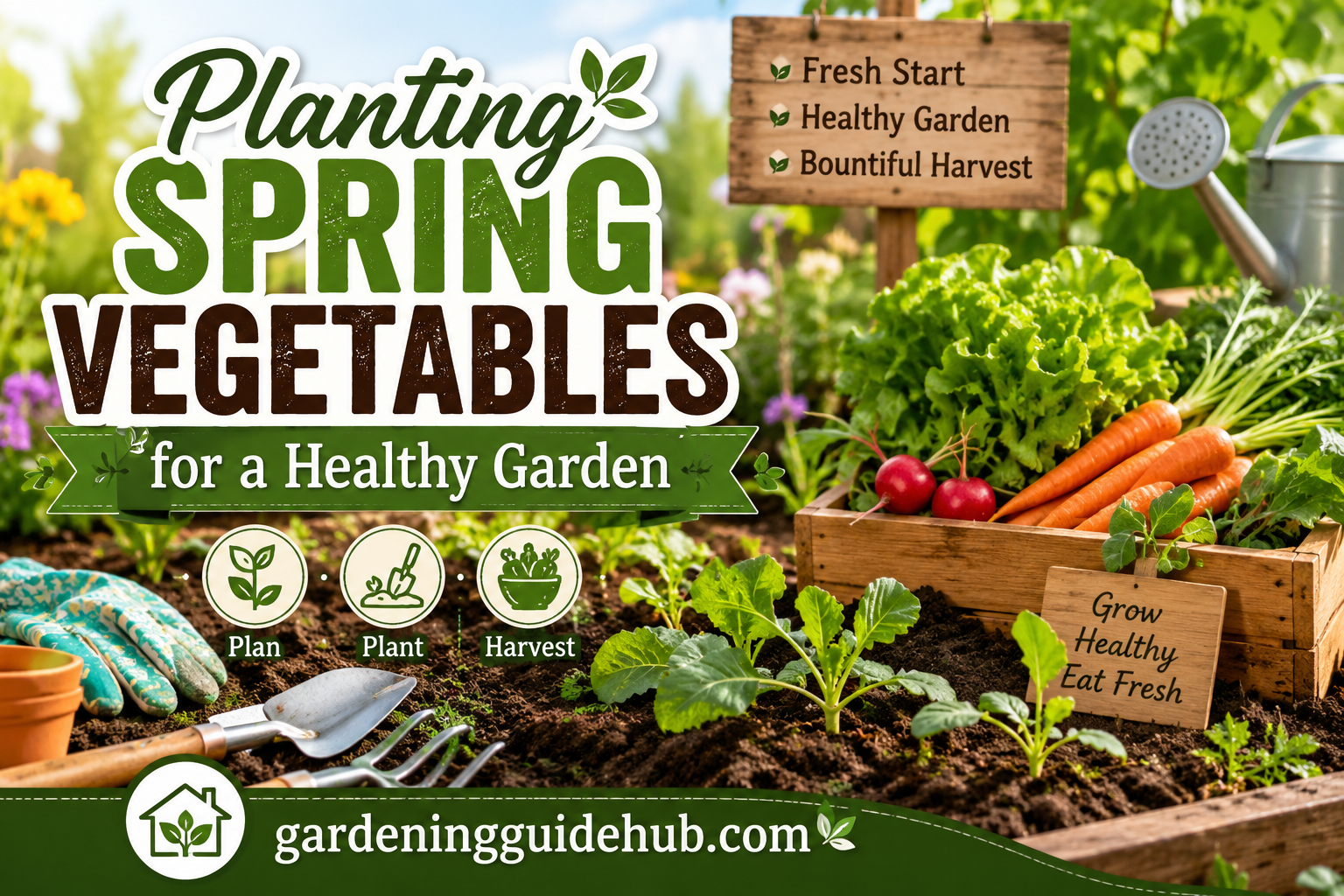
There is something magical about that first warm week in spring. The soil softens, the birds get louder, and every gardener in the neighborhood suddenly has dirt under their fingernails again. If you have ever stood in your backyard wondering where to even begin, you are in the right place. This guide walks you through everything you need to know about planting spring vegetables, from picking the right crops to keeping them thriving all season long.
Whether you are working with a few containers on a balcony or a full backyard plot, spring is the season that sets the tone for your entire growing year. Get it right now, and you will be harvesting crisp lettuce, sweet peas, and vibrant carrots before you know it.
Why Spring Is the Best Time to Start Your Vegetable Garden 🌼
Spring offers the perfect balance of cool nights and warming soil, which happens to be exactly what most vegetables crave when they are getting established. Unlike the scorching heat of summer, spring gives young plants a gentler runway to build strong roots before they face any real stress.
There is also a practical reason to love spring planting. Many vegetables you sow now will be ready to harvest in just a matter of weeks, giving you fast, satisfying results that keep you motivated for the rest of the gardening year.
Here is a quick snapshot of why spring planting works so well:
| Benefit 🌟 | Why It Matters |
|---|---|
| Cooler temperatures | Reduces heat stress on young seedlings |
| Moist soil | Less watering needed early on |
| Fewer pests | Many insects are not yet active |
| Longer daylight | Encourages steady, healthy growth |
| Quick harvest crops | Builds confidence and momentum |
Know Your Frost Dates Before You Plant ❄️
Before you buy a single seed packet, figure out your average last frost date. This single piece of information is the backbone of your entire planting schedule. Planting too early can mean losing tender seedlings to a surprise frost, while planting too late means missing the sweet spot of cool weather that many spring crops need.
A simple way to check is to search your local agricultural extension office online, or use a frost date calculator tied to your zip code or postal code. Once you know that date, you can work backward and forward to plan two waves of planting.
Two Planting Waves to Remember 📅
Spring vegetables generally fall into two categories, and understanding the difference will save you a lot of guesswork.
Cool season crops can go in the ground several weeks before your last frost date, sometimes even while there is still a chill in the air. These plants actually prefer cooler soil and can handle a light frost without much trouble.
Warm season crops need to wait until after the last frost, once the soil has properly warmed up. Planting these too early usually just means stunted, unhappy seedlings that sulk in cold dirt.
| Season Type 🌡️ | Example Vegetables | When to Plant |
|---|---|---|
| Cool season | Peas, spinach, lettuce, kale, broccoli, cabbage, carrots, radishes, onions | 2 to 6 weeks before last frost |
| Warm season | Tomatoes, peppers, cucumbers, squash, beans, corn | After last frost, once soil is warm |
Choosing the Right Vegetables for Your Garden 🥕
Not every vegetable suits every garden, and part of the fun of spring planting is figuring out what actually fits your space, climate, and taste buds. If this is your first vegetable garden, start small and choose crops that are known to be forgiving.
Beginner Friendly Spring Vegetables 🌿
Some vegetables practically grow themselves, making them ideal if you are still learning the ropes. These tend to germinate quickly, tolerate a bit of neglect, and reward you with a harvest in a short amount of time.
- 🥬 Lettuce, ready in as little as 30 days
- 🍬 Radishes, often ready in 3 to 4 weeks
- 🫛 Peas, sweet and reliable in cool weather
- 🥕 Carrots, slow but steady and very low maintenance
- 🥦 Spinach, packed with nutrients and easy to grow
- 🧅 Green onions, one of the easiest crops around
Slightly More Advanced Choices 🍅
Once you feel comfortable with the basics, you can branch out into crops that need a bit more attention, spacing, or support.
- 🍅 Tomatoes, best started indoors and transplanted later
- 🌶️ Peppers, love heat and need patience
- 🥒 Cucumbers, thrive with a trellis for support
- 🥦 Broccoli and cabbage, need consistent moisture
- 🫘 Beans, both bush and pole varieties are rewarding
Preparing Your Soil the Right Way 🪱
Healthy vegetables start well below the surface, and soil preparation is honestly the step most new gardeners rush through. Taking the time to build good soil now pays off in bigger harvests and fewer problems later.
Begin by clearing out any debris, old roots, or weeds from last season. Then work in a generous layer, roughly two to three inches, of compost or well rotted manure. This boosts nutrients and improves the texture of the soil, whether you are dealing with heavy clay or sandy, fast draining ground.
If you want to get a little more scientific about it, a basic soil pH test kit from a garden center can tell you exactly what you are working with. Most vegetables are happiest in slightly acidic to neutral soil, somewhere between 6.0 and 7.0 on the pH scale.
| Soil Task 🧑🌾 | Purpose |
|---|---|
| Remove debris and weeds | Prevents competition and disease |
| Add compost | Improves nutrients and structure |
| Loosen compacted soil | Allows roots to spread easily |
| Test pH | Confirms soil suits your crops |
| Ensure drainage | Prevents root rot and waterlogging |
Smart Spacing and Layout Tips 📐
One of the most common mistakes in a beginner garden is planting everything too close together. It feels productive in the moment, but crowded plants end up competing for sunlight, water, and nutrients, which usually means smaller, weaker vegetables across the board.
Good spacing also improves airflow around your plants, which helps prevent the kind of fungal problems that spread quickly in a damp, crowded bed.
| Vegetable Type 🌾 | Recommended Spacing |
|---|---|
| Leafy greens like lettuce and spinach | 6 to 12 inches apart |
| Root vegetables like carrots and radishes | 2 to 4 inches apart |
| Larger plants like tomatoes and peppers | 18 to 24 inches apart |
| Vining crops like cucumbers and squash | 24 to 36 inches, or use a trellis |
A handy layout trick is to place your tallest crops, like tomatoes or trellised peas, along the north side of the garden bed. That way they will not cast shade over the smaller, sun loving plants around them.
Watering Wisely for Strong Roots 💧
Consistent watering is one of the biggest factors separating a thriving vegetable garden from a struggling one. Most vegetables need about one to one and a half inches of water per week, whether that comes from rainfall or your garden hose.
Morning watering tends to work best because it gives the foliage time to dry out before evening. Wet leaves overnight create the perfect environment for fungal diseases to take hold, so this small timing choice can make a real difference.
A layer of mulch around your plants is another simple trick that pays off. It locks in soil moisture, keeps weeds from taking over, and even helps regulate soil temperature during those unpredictable spring swings between warm days and chilly nights.
Quick Watering Checklist ✅
- 🌅 Water in the early morning when possible
- 🚫 Avoid wetting the leaves directly, aim for the base of the plant
- 🍂 Add 2 to 3 inches of mulch around plants
- 📏 Check soil moisture with your finger before watering again
- 🌧️ Adjust for rainfall so you are not overwatering
Natural Pest Control and Companion Planting 🐞
Spring gardens are usually a little safer from pests than summer ones, but that does not mean you should skip prevention entirely. Aphids, slugs, and cutworms are common early season troublemakers, and catching them early makes a huge difference.
Companion planting is a time tested, chemical free way to keep your garden balanced. Certain plants naturally repel pests or attract beneficial insects when placed near vulnerable crops.
| Plant Pairing 🌸 | Benefit |
|---|---|
| Basil near tomatoes | Repels aphids and improves flavor |
| Marigolds throughout the garden | Deters nematodes and many insects |
| Onions near carrots | Confuses carrot flies |
| Nasturtiums near squash | Acts as a trap crop for aphids |
| Dill near cabbage family plants | Attracts helpful predatory insects |
If pests do show up, row covers are a simple, effective way to physically protect young seedlings without reaching for chemical sprays. They let in light, air, and water while keeping hungry insects out.
Crop Rotation for Long Term Garden Health 🔄
If you gardened last year, resist the urge to plant everything in the exact same spot. Crop rotation is one of those old fashioned practices that still holds up because it genuinely works. Planting the same family of vegetables in the same soil year after year invites soil borne diseases and depletes specific nutrients.
A simple rule to follow is avoiding planting tomatoes or peppers where you grew eggplant or potatoes the previous year, since they all belong to the same nightshade family and share similar vulnerabilities.
Rotating crops by family, even in a small garden, helps keep your soil balanced and your plants noticeably healthier over time.
A Simple Starter Lineup for New Gardeners 🌟
If all of this feels like a lot, here is a beginner friendly combination that tends to succeed almost anywhere.
- 🥬 Lettuce for fast, easy greens
- 🍬 Radishes for a quick confidence boosting harvest
- 🫛 Peas for sweetness and natural nitrogen fixing in the soil
- 🥕 Carrots for a low maintenance root vegetable
These four crops germinate reliably, tolerate cooler soil, and give you visible progress within just a few weeks. Once you have had a few small wins, you will feel much more confident branching out into warm season vegetables like tomatoes and peppers.
Common Mistakes to Avoid This Spring ⚠️
Even experienced gardeners fall into a few of these traps from time to time, so keep an eye out for them as you plant.
- Planting warm season crops too early, before the soil has properly warmed
- Overcrowding beds, which leads to weak, leggy plants
- Skipping soil preparation and expecting good results anyway
- Watering too shallowly, which encourages weak, surface level roots
- Ignoring pest signs until an infestation is already underway
- Forgetting to harden off seedlings before transplanting them outdoors
Frequently Asked Questions ❓
When should I start my spring vegetable garden? Start cool season crops as soon as your soil can be worked, often a few weeks before your last frost date. Save warm season crops for after that frost date has safely passed.
What vegetables are easiest for beginners? Lettuce, radishes, peas, and carrots are widely considered the most forgiving choices for anyone new to vegetable gardening.
How often should I water my vegetable garden? Aim for about one to one and a half inches of water per week, adjusting based on rainfall, soil type, and how quickly your particular garden dries out.
Do I really need to rotate my crops every year? Yes, rotating crop families helps prevent soil borne diseases and nutrient depletion, keeping your garden productive for years to come.
Final Thoughts on Growing a Healthy Spring Garden 🌷
Planting spring vegetables is one of the most rewarding ways to welcome the new season. With a bit of planning around your frost dates, thoughtful soil preparation, and smart spacing, you are setting yourself up for a garden that is both productive and genuinely enjoyable to tend.
Start small if you need to. Celebrate that first handful of radishes or that first bowl of homegrown lettuce. Every experienced gardener started exactly where you are now, standing in the dirt, hoping something would grow. With the tips in this guide, something absolutely will.
Happy planting! 🌻