
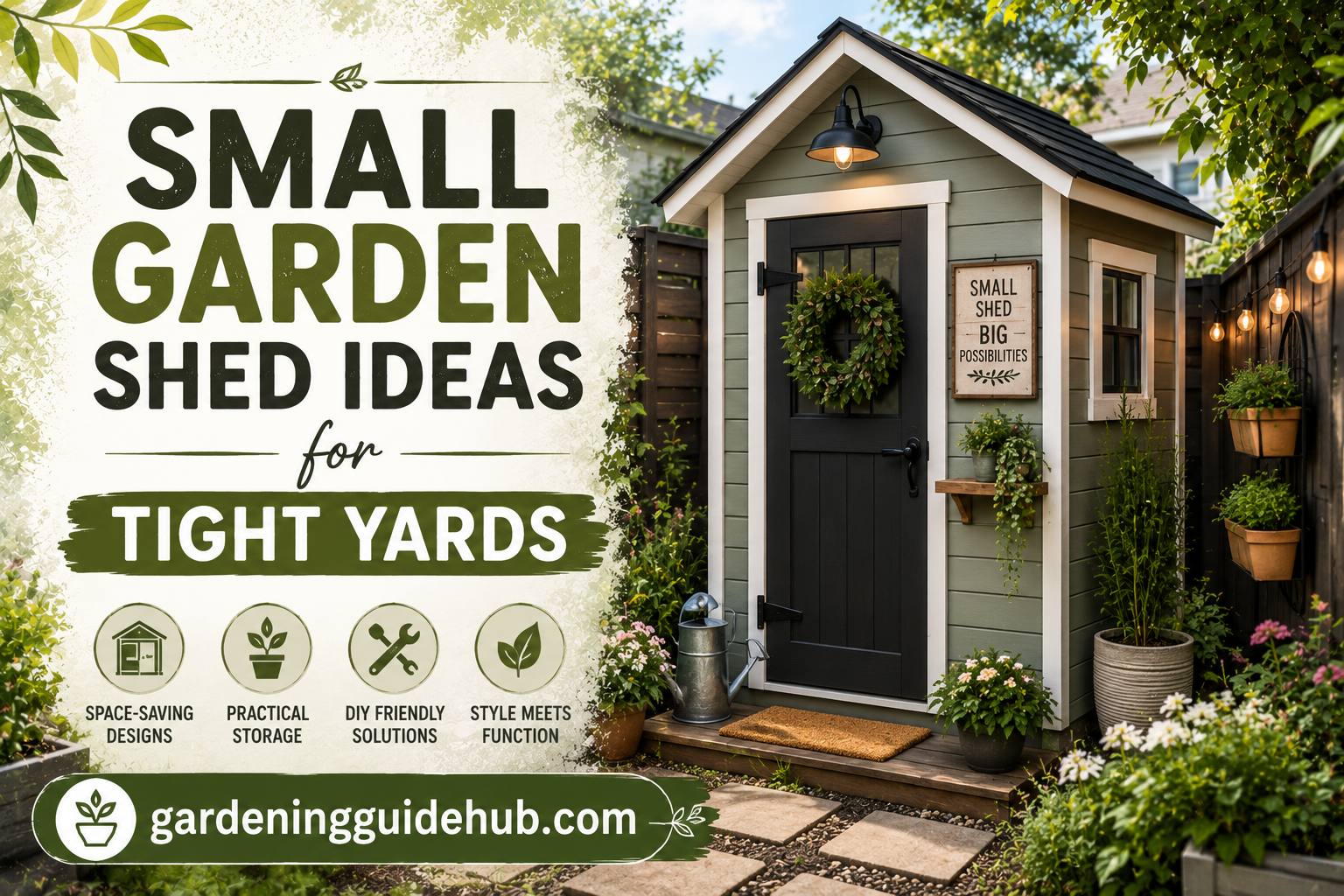
Living with a small backyard can feel like a constant puzzle. Every square foot matters, and finding room for storage, hobbies, or a little outdoor escape often feels impossible when your yard is already tight on space. The good news is that a garden shed does not need a sprawling lot to work its magic. In fact, some of the most clever, charming shed designs out there were born from tight spaces and creative problem solving.
Whether you are dealing with a narrow side yard, a small urban lot, or just an awkward leftover corner, this guide is packed with practical ideas to help you fit a functional, good looking shed into even the coziest of yards. Let us find the perfect small space solution for you. 🌸
Why Small Sheds Deserve More Credit 💛
There is a common assumption that bigger is always better, but small sheds actually come with some real advantages.
- They typically cost less to build and maintain than larger structures
- They require fewer permits in many areas due to smaller square footage
- They fit into odd, leftover corners that would otherwise go unused
- They are quicker to construct, often completed in a single weekend
- They force smart, efficient design choices that often look more polished than sprawling structures
A well designed small shed can be just as useful, and sometimes even more charming, than a bulky oversized one. It is all about smart planning.
Step One: Assess Your Available Space 📐
Before falling in love with a particular design, take a real look at what your yard can actually accommodate.
Questions to ask yourself:
- What is the smallest usable footprint available, even oddly shaped corners count
- How close can you legally build to property lines in your area
- Is there existing shade, drainage, or slope to consider
- Do you need walk around access on all sides, or can the shed sit flush against a fence
- Will the shed need to fit through a gate or narrow side yard during construction
Measuring twice before committing to a design saves major headaches later, especially in tight yards where a few inches can make or break your layout.
Quick Comparison: Small Shed Styles for Tight Yards 📊
Here is a simple table comparing popular small shed styles to help you find the right fit for your space and needs.
| Style | Typical Footprint | Best Use | Approximate Cost |
|---|---|---|---|
| Lean to shed 🏠 | 4×8 to 6×10 feet | Tool storage against a fence or wall | $500 to $2,000 |
| Corner shed 📐 | 4×4 to 6×6 feet | Awkward corner spaces | $600 to $2,200 |
| Vertical shed 📏 | 3×6 to 4×8 feet | Maximizing height over floor space | $700 to $2,500 |
| Slim side yard shed 🚪 | 2×6 to 3×8 feet | Narrow side passages | $500 to $1,800 |
| Multi purpose mini studio 🎨 | 6×8 to 8×10 feet | Small hobby or workspace | $2,000 to $8,000 |
| Portable or modular shed 📦 | Varies | Renters or flexible layouts | $400 to $1,500 |
Choosing the right style often comes down to matching your available footprint with how you actually plan to use the space.
1. Lean To Sheds: The Space Saving Classic 🏠
A lean to shed is one of the most efficient options for tight yards because it uses an existing wall or fence as one full side of the structure. This cuts down on materials and maximizes every inch of your footprint.
Why lean to sheds work so well:
- They require less lumber since one wall is already provided
- They fit neatly against a house, garage, or fence line
- Their sloped roof sheds rain and snow effectively
- They can be extended in length without needing much additional depth
This style is especially popular for storing garden tools, bikes, or lawn equipment without eating into precious yard space.
2. Corner Sheds: Turning Dead Space Into Storage 📐
Nearly every yard has that one awkward corner that never quite gets used, maybe it is boxed in by a fence line or overshadowed by a neighboring structure. A corner shed is designed specifically to fit these leftover spots.
Tips for corner shed success:
- Measure the exact angle of the corner before choosing a design, since not all corners are perfectly square
- Consider a five sided or hexagonal footprint to maximize interior space
- Use lighter colored siding to keep the space from feeling boxed in
- Add a small window to prevent the shed from feeling like a dark, forgotten nook
Corner sheds are a fantastic example of turning a yard’s biggest weakness into one of its most functional features.
3. Vertical Sheds: Going Up Instead of Out 📏
When floor space is limited, height becomes your best friend. Vertical sheds are narrow and tall, offering surprising storage capacity without requiring a large footprint.
Smart vertical storage ideas:
- Install shelving from floor to ceiling rather than relying on floor space alone
- Use pegboard walls to hang tools vertically
- Add a small loft area for seasonal or rarely used items
- Choose slim profile doors that swing outward rather than requiring interior clearance
A vertical shed as small as three feet by six feet can hold a surprising amount when the interior is designed thoughtfully.
4. Slim Side Yard Sheds: Making the Most of Narrow Passages 🚪
Side yards are often the most overlooked space in a home, usually just a narrow strip between two fences that nobody quite knows what to do with. A slim shed designed specifically for this kind of space can add valuable storage without disrupting the rest of your yard.
Design considerations for side yard sheds:
- Choose a shed no wider than your side yard’s narrowest point, with a few inches of clearance
- Opt for sliding doors instead of swinging ones to save space
- Use vertical siding to visually elongate the structure
- Add hooks or slim shelving just inside the door for frequently used tools
This kind of shed is perfect for storing items like hoses, small tools, or seasonal decor without taking up any of your main yard space.
5. Multi Purpose Mini Studios: Small but Mighty 🎨
If your dream is not just storage but a small personal retreat, a compact studio shed might be the answer. Even a modest six by eight foot structure can become a reading nook, art studio, or quiet workspace.
Making the most of a mini studio:
- Choose furniture that folds or tucks away when not in use
- Add a single large window to keep the small space feeling bright and open
- Use light, neutral colors on interior walls to visually expand the room
- Include a small outdoor step or mini patio just outside the door for extra breathing room
Sample layout for a 6×8 foot mini studio:
| Zone | Suggested Use | Approximate Space |
|---|---|---|
| Desk or craft table 💻 | Positioned under the window | 3 by 4 feet |
| Storage shelf 📚 | Along the back wall | 6 by 1 feet |
| Seating spot 🪑 | Small folding chair or stool | 2 by 2 feet |
| Entry space 🚪 | Just inside the door | 2 by 2 feet |
Even in a tiny footprint, smart zoning keeps the space functional rather than cramped.
Materials That Help Small Sheds Feel Bigger 🧱
The materials and finishes you choose can make a small shed feel either cramped or surprisingly spacious.
| Material or Finish | Effect | Notes |
|---|---|---|
| Light colored siding ⚪ | Makes the structure feel airy | Works well in sunny yards |
| Vertical wood paneling 🪵 | Visually adds height | Great for narrow spaces |
| Large single window 🪟 | Brings in light, reduces boxed in feel | Best facing a garden view |
| Mirrors inside 🪞 | Reflects light, expands visual space | Ideal for studio sheds |
| Minimal trim details 📏 | Keeps the exterior looking clean | Avoids visual clutter |
Choosing lighter tones and clean lines almost always makes a small structure feel more open and intentional rather than squeezed into place.
Landscaping Tricks for Tight Shed Spaces 🌿
The area immediately around your shed matters just as much as the structure itself, especially in a small yard where every element is visible at once.
Landscaping tips for tight spaces:
- Use low growing groundcover instead of tall plants that crowd the shed
- Add a single small tree or large shrub nearby rather than several competing plants
- Install a simple stepping stone path to define the space without taking up much room
- Consider vertical planters on the shed’s exterior wall to add greenery without using ground space
A little greenery softens the edges of even the smallest shed and helps it blend naturally into the rest of your yard.
Permits and Practical Planning 📋
Even small sheds sometimes require a bit of paperwork, so it is worth checking a few boxes before you start building.
- Many areas exempt sheds under a certain square footage from requiring a permit, though this varies by location
- Confirm setback requirements from property lines, fences, and other structures
- Check if utility lines run through your planned building area before digging
- Review homeowners association guidelines if applicable, since some communities regulate shed size and appearance
A quick check with your local building department can save you from having to relocate or modify your shed after it is already built.
Common Mistakes to Avoid ⚠️
Even a small, simple shed project can run into avoidable issues if a few details are overlooked.
- Choosing a design that technically fits but leaves no room for the door to fully open
- Skipping a proper foundation, which can lead to shifting or moisture issues over time
- Ignoring drainage, which can cause water pooling around the base
- Picking a bulky roof style that visually overwhelms a small footprint
- Forgetting to measure gate width if materials need to be carried through during construction
Careful planning upfront prevents frustrating surprises once the building process is already underway.
A Sample Weekend Build Plan 🗓️
If you are ready to get started, here is a simple plan for tackling a small shed project over one weekend.
Saturday morning: Finalize measurements, mark the footprint, and prepare the base or foundation area.
Saturday afternoon: Assemble the frame and walls, checking level frequently as you go.
Sunday morning: Install the roof and door, then seal any exposed seams.
Sunday afternoon: Paint or stain the exterior and add any finishing touches like shelving or trim.
Smaller footprints generally mean faster builds, so many tight yard sheds can realistically go from empty corner to finished structure in a single productive weekend.
Final Thoughts 🌼
A tight yard does not have to mean giving up on the idea of a garden shed. With smart design choices, whether that is a lean to structure hugging your fence line, a corner shed tucked into unused space, or a slim vertical build maximizing height over floor area, there is a solution for nearly every space constraint.
The key is to think creatively about your yard’s unique shape and challenges, then choose a design that works with those limitations rather than against them. Even the smallest structure, thoughtfully placed and finished, can add real function and charm to your outdoor space.
Happy building! 🛠️🌻