
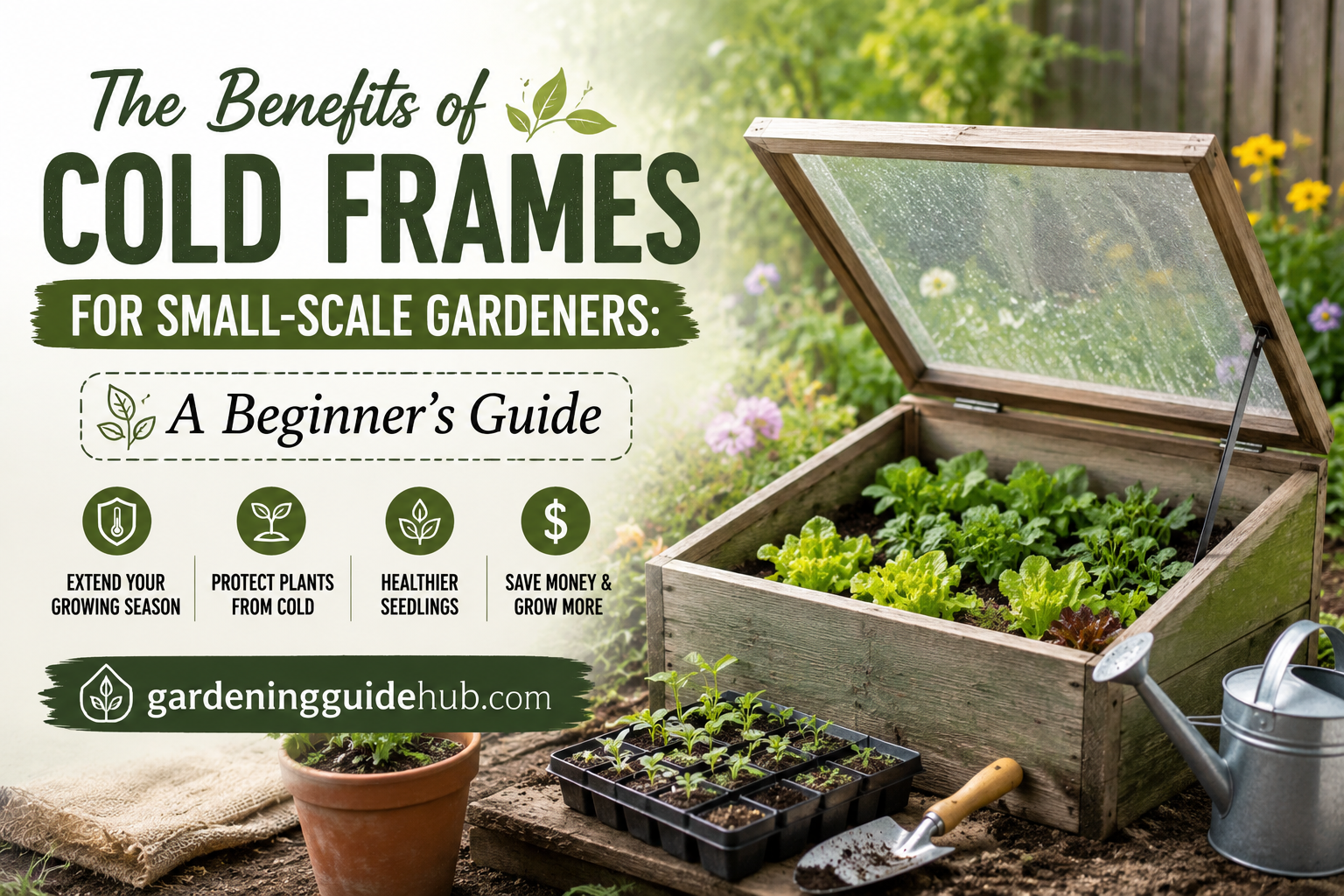
If you have ever stared longingly at your garden in late autumn, wishing you could squeeze in just a few more weeks of growing season, you are going to fall in love with cold frames. These simple, unassuming structures have been quietly helping gardeners extend their harvests for centuries, and yet so many small scale and backyard gardeners have never even tried one.
A cold frame is essentially a miniature greenhouse, low to the ground, often no bigger than a large window box, that traps warmth from the sun while protecting plants from wind, frost, and harsh weather. For anyone gardening in a small space, this humble box might just be the most underrated tool in your entire gardening arsenal.
Let us dig into what cold frames actually are, why they are so beneficial, and how you can start using one this season. 🌿
What Exactly Is a Cold Frame? 🤔
At its core, a cold frame is a bottomless box with a transparent lid, usually made of glass or clear plastic, set directly on top of soil or a raised bed. Sunlight passes through the lid and warms the air and soil inside, while the enclosed structure holds that heat in, much like a car parked in the sun on a cool day.
Unlike a full greenhouse, cold frames are:
- Much smaller and easier to build or buy
- Unheated, relying purely on passive solar energy
- Simple enough for a weekend DIY project
- Perfect for small yards, patios, or even balcony adjacent garden beds
Think of a cold frame as a bridge between your open garden bed and a full blown greenhouse, offering many of the same benefits on a much smaller, more accessible scale.
Why Cold Frames Are a Game Changer for Small Gardens 💛
Small scale gardening often means working within tight limitations, whether that is space, time, or budget. Cold frames solve several of these challenges at once, which is exactly why they have earned such a devoted following among backyard growers.
Key benefits at a glance:
| Benefit | Why It Matters |
|---|---|
| Extended growing season 📅 | Grow weeks or even months longer than an open garden bed |
| Frost protection 🧊 | Shields tender plants from unexpected cold snaps |
| Seed starting boost 🌱 | Creates ideal conditions for germinating seeds early |
| Hardening off helper 🌤️ | Gradually acclimates indoor started plants to outdoor conditions |
| Space efficient design 📏 | Fits easily into small beds, patios, or tight yards |
| Low cost setup 💰 | Can be built from recycled materials for very little money |
| Reduced pest pressure 🐛 | Physical barrier keeps many pests away from young plants |
For anyone gardening in a limited footprint, a cold frame essentially gives you more growing time and more control, without requiring more land.
How Cold Frames Actually Work 🔬
Understanding the simple science behind a cold frame helps you use it more effectively.
- Sunlight passes through the clear lid and is absorbed by the soil and plants inside
- That absorbed heat radiates back out as infrared energy, which cannot easily escape through the glass or plastic lid
- This creates a warmer microclimate inside the frame compared to the surrounding air
- The solid sides block wind, which further helps retain heat and protect plants from physical damage
- On sunny days, even in cold weather, the interior of a cold frame can be twenty to thirty degrees warmer than the outside air
This basic greenhouse effect is what allows gardeners to keep growing long after a typical garden bed has succumbed to frost.
Who Benefits Most From Using a Cold Frame? 🌻
While almost any gardener can benefit from a cold frame, a few groups tend to see the biggest advantages.
- Gardeners in cooler climates looking to extend a short growing season
- Small space or urban gardeners without room for a full greenhouse
- Beginners wanting an easier way to start seeds without indoor grow lights
- Anyone growing cold hardy crops like lettuce, spinach, or kale through winter
- Gardeners hoping to get a head start on spring planting by several weeks
If any of these describe your situation, a cold frame is likely to become one of your most used garden tools within a single season.
Cold Frame Materials: What Works Best 🧱
You do not need fancy or expensive materials to build an effective cold frame. In fact, some of the best versions are built from recycled or repurposed items.
| Material | Pros | Cons |
|---|---|---|
| Old window frames 🪟 | Free or cheap, classic look | Heavier, can be fragile |
| Clear polycarbonate panels 🔲 | Lightweight, durable, shatter resistant | Slightly higher cost |
| Recycled wood for sides 🪵 | Sturdy, easy to build | Needs weatherproofing |
| Straw bales as walls 🌾 | Excellent insulation, very cheap | Less durable long term |
| Cinder blocks 🧱 | Extremely sturdy, retains heat well | Heavier, less portable |
Many gardeners start with a simple design using an old window as the lid and scrap wood for the sides, which keeps the project both budget friendly and sustainable.
Choosing the Right Location for Your Cold Frame 📍
Placement plays a huge role in how well your cold frame performs, so it is worth taking a little time to choose wisely.
Tips for ideal placement:
- Position the frame facing south, or the equator facing direction in your hemisphere, for maximum sun exposure
- Choose a spot with good drainage to avoid water pooling inside the frame
- Avoid low lying areas where cold air naturally collects on chilly nights
- Place the frame near your main garden or patio for easy daily access
- Consider proximity to a hose or water source for convenient watering
A well placed cold frame can make the difference between a thriving winter garden and one that struggles despite your best efforts.
What Can You Grow in a Cold Frame? 🥬
One of the best parts about cold frames is just how versatile they are. Depending on the season, you can use the same structure for several different purposes throughout the year.
Great crops for cold frame growing:
| Season | Best Crops | Notes |
|---|---|---|
| Late autumn 🍂 | Lettuce, spinach, kale, arugula | Extends harvest well past first frost |
| Winter ❄️ | Hardy greens, carrots, radishes | Works best in mild winter climates |
| Early spring 🌱 | Seed starting for tomatoes, peppers, herbs | Gives seedlings a warm head start |
| Hardening off 🌤️ | Any indoor started seedlings | Gradual transition to outdoor conditions |
In colder regions, many gardeners use cold frames primarily for extending the harvest of leafy greens through the first hard frosts of the year, then switch to seed starting duty again in early spring.
Step by Step: Building a Simple DIY Cold Frame 🔨
Ready to build your own? Here is a straightforward approach that works for most small gardens.
What you will need:
- Four wooden boards for the sides, cut to your desired frame size
- An old window, clear plastic sheeting, or a polycarbonate panel for the lid
- Hinges to attach the lid to the back wall
- Exterior screws and a basic drill
- A level surface or raised bed to place the frame on
Basic building steps:
- Cut your side boards so the back wall is slightly taller than the front, creating a gentle slope for the lid
- Assemble the four walls into a simple box shape using exterior screws
- Attach the clear lid to the back wall using hinges, allowing it to open and close easily
- Place the frame directly over your garden bed or a container filled with soil
- Add a small stick or prop to hold the lid open on warm days for ventilation
This basic design can be built in an afternoon and customized in size to fit almost any small garden space.
Cold Frame Care Throughout the Seasons 🍂❄️🌷☀️
Like any garden tool, a cold frame performs best with a little regular attention.
| Season | Maintenance Task |
|---|---|
| Autumn 🍂 | Clean the lid for maximum light transmission, check hinges |
| Winter ❄️ | Monitor temperature, vent on sunny days to prevent overheating |
| Spring 🌱 | Begin gradually increasing ventilation as seedlings harden off |
| Summer ☀️ | Remove or prop the lid fully open, or use the frame for shade loving crops |
Checking your cold frame daily during active growing periods helps you catch temperature swings before they stress your plants.
Common Mistakes Beginners Make ⚠️
Even a simple tool like a cold frame comes with a small learning curve. Watch out for these common pitfalls.
- Forgetting to vent on sunny days, which can cause the interior to overheat even in cold weather
- Placing the frame in a shaded or poorly draining spot
- Overwatering, since cold frames trap moisture more than open garden beds
- Using materials that are not properly sealed, allowing cold drafts to sneak in
- Assuming a cold frame works like a heated greenhouse, when it actually relies entirely on passive solar heat
Once you understand these basics, most cold frame mistakes are easy to avoid and even easier to correct.
Cold Frames vs Other Season Extending Tools 📊
If you are wondering how a cold frame compares to other options, here is a quick side by side look.
| Tool | Cost | Portability | Best For |
|---|---|---|---|
| Cold frame 🌱 | Low to moderate | Low, usually stationary | Small beds, seed starting, frost protection |
| Row covers 🧵 | Very low | High | Light frost protection over larger areas |
| Cloches 🔔 | Low | High | Individual plant protection |
| Greenhouse 🏠 | High | None | Year round growing, larger scale |
| Hoop house ⛺ | Moderate | Moderate | Covering entire rows or beds |
For small scale gardeners specifically, cold frames often hit the sweet spot between cost, effectiveness, and ease of use, without requiring the space or investment of a full greenhouse.
Final Thoughts 🌼
Cold frames are proof that you do not need a large plot of land or an expensive greenhouse to extend your growing season and get more out of every square foot of garden space. With just a simple box and a clear lid, you can protect tender plants from frost, get a head start on spring seedlings, and keep fresh greens growing well into the colder months.
If you have been curious about season extension but felt intimidated by bigger structures, a cold frame is the perfect low pressure place to start. Build one this weekend, tuck it into a sunny corner of your garden, and watch just how much more you can grow, no matter how small your space might be.
Happy growing! 🌱❄️